What ASO is and how it differs from SEO
The key elements of ASO
ASO strategies for the Iranian market
Common mistakes in ASO and how to avoid them
Useful tools for analysing and improving ASO
The part UX/UI design plays in ASO success
In the crowded market for mobile apps, releasing an app is on its own no guarantee of being seen or of succeeding. Hundreds of new apps appear on the App Store and Google Play every day, and if your product has no place in the search results, its chances of being downloaded and used are close to zero. In these conditions, App Store Optimization (ASO) has gone from a side technique to one of the main pillars of an app's marketing strategy. ASO is a set of purposeful measures that help an app be seen in the stores, raise the rate at which a visit becomes an install, and, in the end, grow the user base organically. In fact, just as websites are optimised for search engines, apps too need an intelligent presence in their own digital shop window. In this article we look closely at ASO in 2025: from the basic concepts to professional strategies, effective tools, and points that matter particularly for the Iranian market.
What ASO is and how it differs from SEO
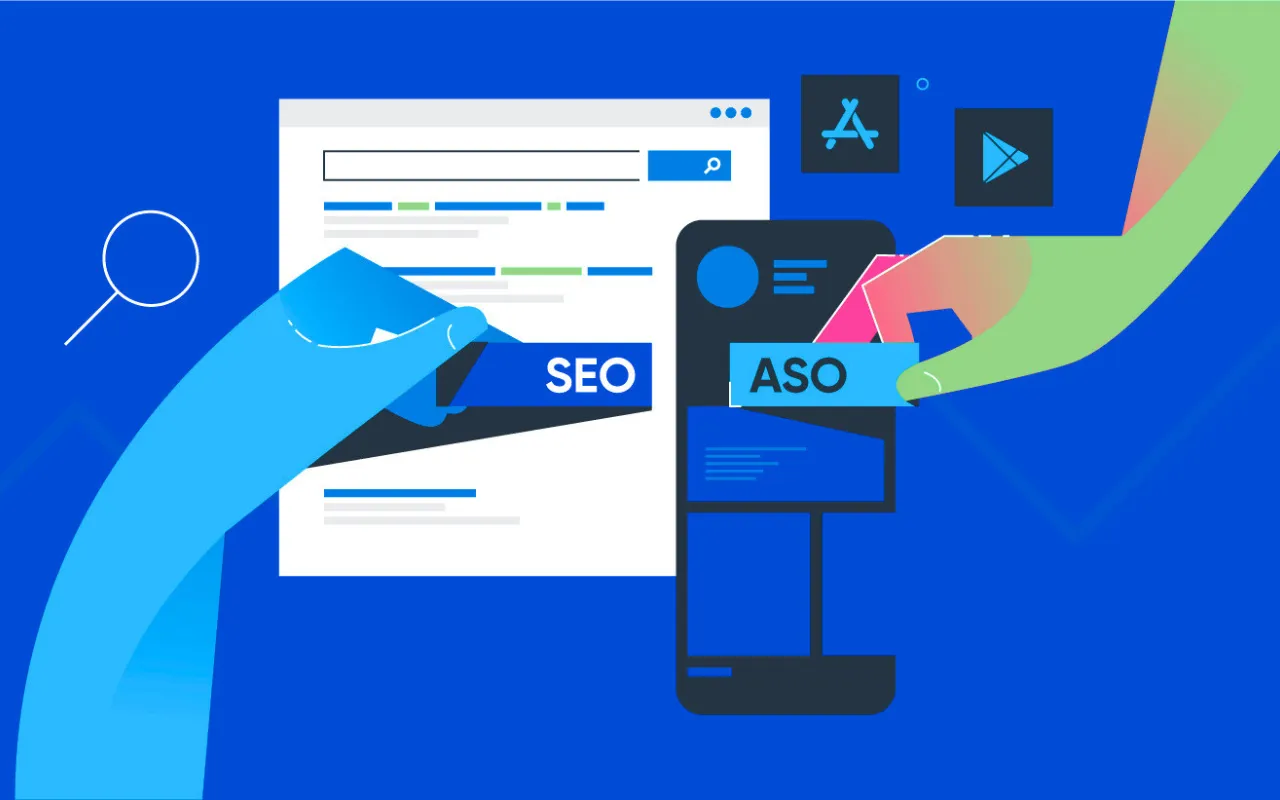
ASO, or App Store Optimization, is the process of optimising an app's page in stores such as Google Play and the App Store, with the aim of increasing visibility, click-through rate and, in the end, installs. Where SEO (search engine optimisation) focuses on search engines such as Google, ASO focuses precisely on the places where mobile users engage most with apps: the shop windows of the stores. What ASO and SEO have in common is their ultimate aim: attracting users organically. In ASO, though, factors such as the title, the icon, the screenshots and users' ratings play a decisive part — elements that do not exist in SEO at all. In the process of designing an app, therefore, ASO should not be seen as a separate or incidental stage; it is part of the product strategy.
The key elements of ASO
In optimising an app for the stores, there are several key components that directly affect its ranking, its click-through rate and its installs:
The app's title and name: it has to convey the brand's identity and also carry relevant keywords. In Google Play, keywords in the title have a very considerable effect.
Keywords and metadata: in Apple's App Store in particular, the keywords field matters for indexing. Choosing those words intelligently can make a considerable difference to the users you attract.
Icon, screenshots and video: users' first impression of an app is formed by exactly these images. Designing them professionally can multiply your click-through rate.
Ratings and user reviews: one of the most important factors in a user's decision. A rating above 4.2 is essential in most categories.Conversion rate from view to install: what proportion of the people who see your app's page install it? This rate directly affects your ranking in the store.
ASO strategies for the Iranian market
In the Iranian market, users' behaviour and local requirements call for an ASO strategy of their own:
Use Persian in the title and description for apps whose user base speaks Persian.
Pay attention to the habits of Iranian users: a preference, for instance, for apps with a free version, a small download size and a simple installation.
Crowded categories such as education, financial services or entertainment call for greater competitiveness in graphic design and in user ratings.
Developers who build their ASO strategy purely on foreign sources usually run into difficulty in reaching domestic users.
Common mistakes in ASO and how to avoid them
Many apps go unseen because of simple mistakes in ASO, even where they are technically good. A few common ones:
Keyword stuffing: overusing keywords in the title and description is not only of no benefit, it also makes the algorithms wary of your app.
Weak visual design: an amateurish icon or screenshots create a sense of distrust in the user.
Not updating metadata: changing features, prices or policies without updating the app's page reduces the conversion rate.
Ignoring user reviews: not answering reviews, or deleting negative ones, damages an app's ranking and its reputation over the long term.
Useful tools for analysing and improving ASO
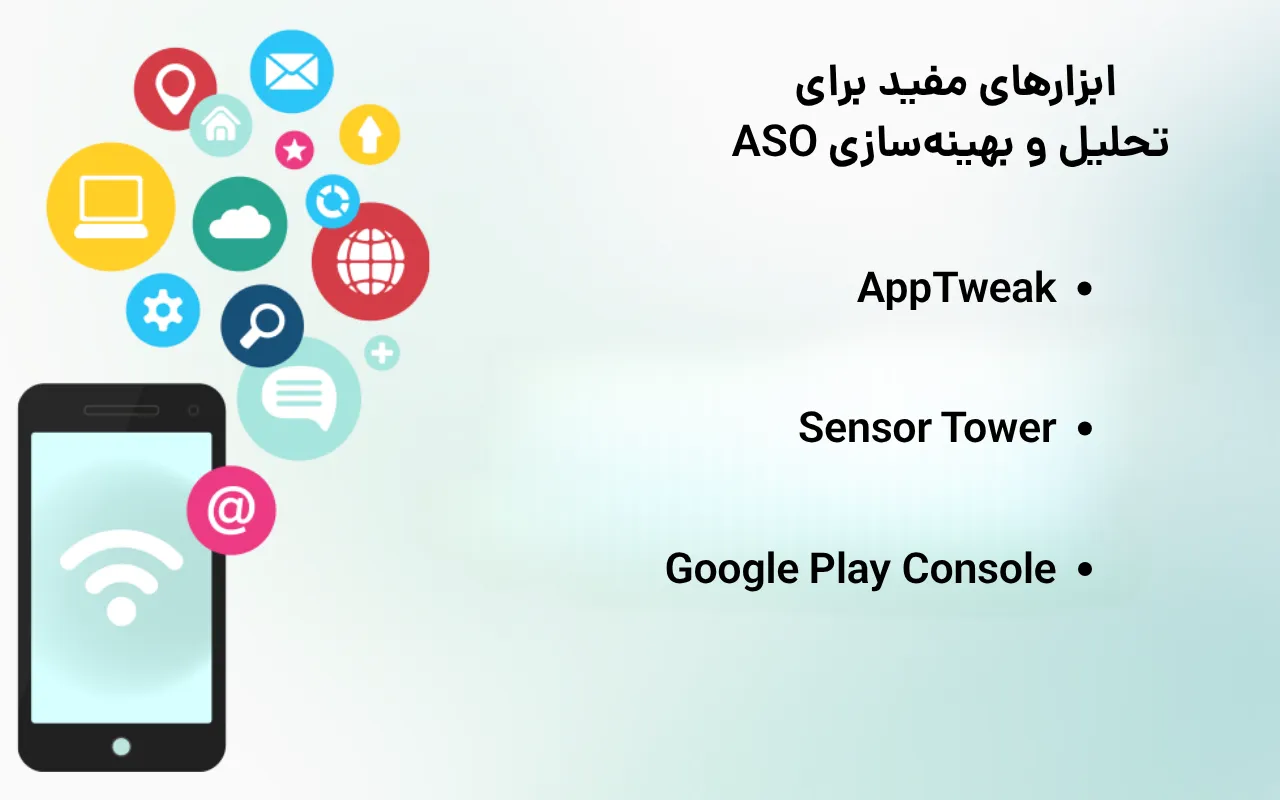
To succeed at ASO, the right tools for analysis and decision-making are essential. Some of the best are:
AppTweak: keyword ranking analysis, competitor comparison and suggestions for better words
Sensor Tower: detailed reports on user behaviour and app performance in different markets
Google Play Console: Google's own dashboard for following conversion rate, search, installs and uninstalls
Using these tools intelligently makes your ASO strategy not merely a matter of trial and error but something led by data and analysis.
The part UX/UI design plays in ASO success
Although ASO looks at first sight like optimising text and metadata, experience shows that the visual design of an app's page in the store plays a decisive part in the rate at which a visitor becomes an install. Users decide in the first few seconds whether to install an app, and that decision is shaped more than anything by the page's graphic design.
Some of the most important factors here are:
A professional, recognisable icon: a beautiful, minimal icon can catch the eye among dozens of similar results.
The order in which the screenshots appear: the first image is the most important. It should show what the app offers. The order of the screenshots should convey how the app is used as a kind of story.
An introductory video (where there is one): if one can be made, it has a considerable effect on a user's sense of confidence and first acquaintance with the app.
Graphic CTAs and captioned images: the screenshots should include short, well-designed text that encourages the user to install, rather than being a raw view of the app's screens.
In fact, good, bespoke app design is not just a matter of beauty; it is the direct interface between the app and the user, conveying trust, usefulness and quality in that first moment.
In summary, and a final recommendation
ASO — optimising an app for the app stores — is no longer merely a marketing tactic; it is an inseparable part of designing the product. From choosing the name and the keywords to the visual design and the way user reviews are handled, everything in ASO matters. What many developers overlook is that ASO should not begin after an app is released; it should be part of the decisions taken from the earliest stages of design and development. That goes particularly for UX/UI design, which has a direct effect on whether ASO succeeds or fails. In the end, success in today's competitive market does not come from having a good app alone; it also depends on presenting it properly in the stores' shop window. A strategic view, the use of analytics tools and the experience of a professional team can smooth an app's path to growth from the very start.