
Did you know that more than 35% of businesses still operate without a website? That striking figure shows that most businesses still need a presence online in order to keep going and to grow. In modern business, a website is regarded as a vital tool for reaching a market, for engaging digitally and for achieving continuous growth.
Digital transformation and the vital part websites play in a modern business
In this section we begin by looking at digital transformation and its effect on business. As technology has spread and the internet has become easy to reach, digital transformation has become a fact of life for a modern business. A website is therefore regarded as the main tool in the world of business.
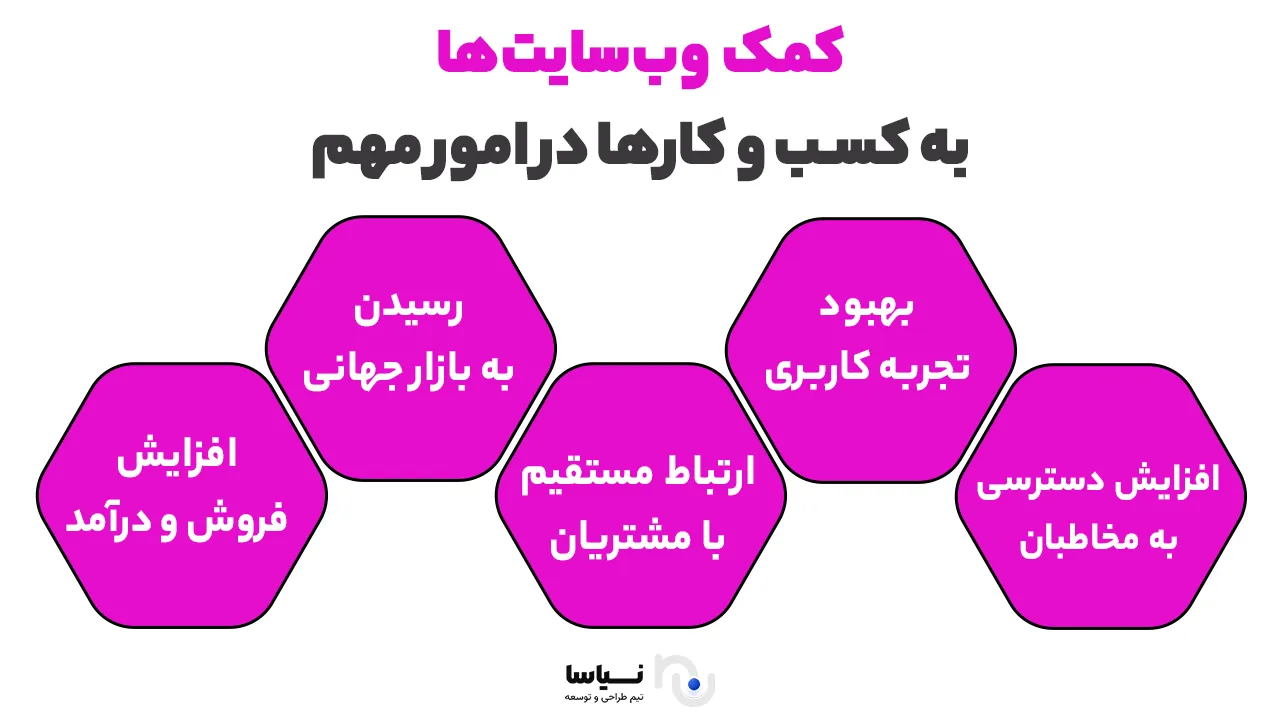
Websites help businesses in a great many important and varied ways:
Reaching more people: with a strong, credible website, a business can readily reach the audience it needs and communicate with them effectively.
A better user experience: websites offer a variety of ways to improve the user's experience through beautiful design, easy navigation and useful, engaging content.
Direct communication with customers: with a website, a business can communicate directly with its customers, receive their comments, suggestions and complaints, and answer them.
Reaching a global market: with a website, a business can readily and at the least cost reach international markets and offer its products and services to customers around the world.
Greater sales and revenue: websites let a business increase its sales and revenue by promoting the site and its distinctive content, attracting new customers and keeping existing ones.
The part the internet plays in widening a business's markets
As one of the most powerful means of communication, the internet plays a vital and key part in widening a business's markets. With it, a business can engage widely with its customers and audience around the world and build deeper relationships. That direct, daily contact lets a business better understand what its customers need and want and answer them properly.
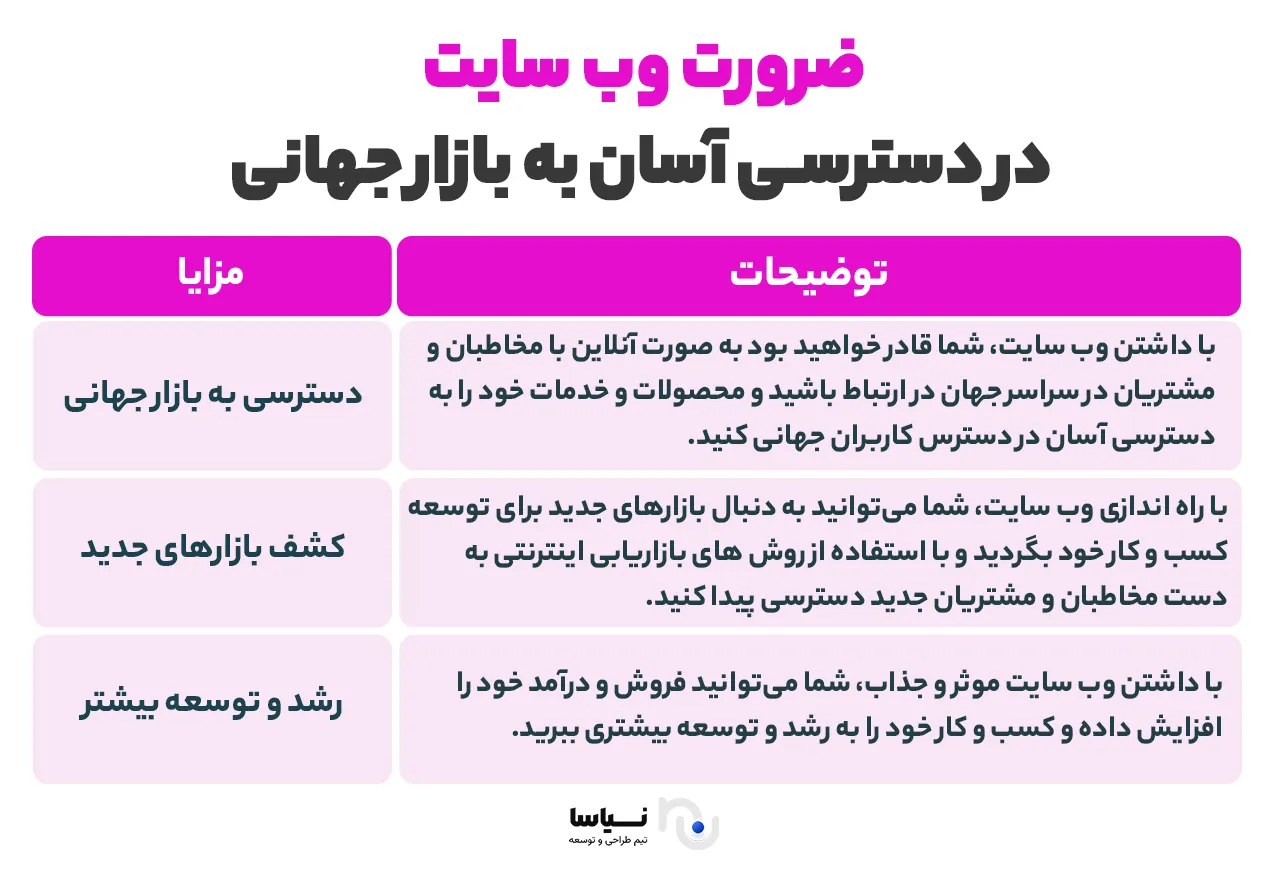
Why a website is essential for reaching a global market
A website is used as a vital tool for a business to reach a global market. With one, you will be able to communicate readily with your customers and audience around the world and put your products and services within reach of users everywhere.
**post@36*/
With a website, you can remove the constraints of time and distance in engaging with your customers. Using internet marketing, you can also reach a global market and a larger number of people and customers, which can help your business grow and develop.
Content: the key to success online
In this section we look at producing content as the key to a business's success online. We examine why content matters in marketing and the part it plays in reaching an audience, building relationships with customers, improving the user experience and increasing sales. What content production is, and its kinds, are also explained here.
Producing content online is recognised as a very effective marketing strategy. With it, a business can offer its customers useful information and engaging material continuously and regularly. That draws an audience's attention and makes the business known.
As a marketing strategy, producing content has several benefits:
Greater appeal to an audience and to customers
Direct communication with customers, and stronger relationships with them
Offering information and advice about products and services
A better user experience and greater customer trust
Greater awareness and familiarity with the brand and its products
A greater presence for the organisation in search engines
Greater sales and revenue for the business
The kinds of content a business can produce include articles, blog posts, videos, photographs, charts, guides and instructions, surveys and reviews. All of these can be useful in reaching an audience and can help increase sales and grow a business.
The challenges of running an online business, and what to do about them
In this section we look at the challenges of running an online business and offer ways of meeting them. In today's competitive online world, online businesses face a great many challenges that can have a considerable effect on how they perform and whether they succeed. Below we look at some of the common challenges and at ways of meeting them. You can also visit the link below to order a bespoke website design.
**post@32*/
The common challenges and the strategies for meeting them
Intense competition: high competition in the online market may keep your business out of a new market. The way to meet that challenge is to offer distinctive advantages in your product or service and to use the right marketing strategies.
Information security: security matters a great deal online. Measures such as encryption, support for strong security systems and training staff to counter security threats can help meet this challenge.
Managing time: managing time is a fundamental challenge in an online business. To manage it better, you can use suitable management and planning tools and establish orderly working patterns.
By meeting these challenges properly and using the right approaches, you can improve how you run your online business and achieve greater growth and development.
Optimising a website: the principles of SEO and improving your place in search results
In this section we look at optimising a website and at the principles of SEO. Optimising a site to improve its place in search results matters a great deal. Applying the principles of SEO, you can improve your website and perform better in search rankings. That brings more traffic and a higher conversion rate, and with them greater sales and revenue for the business.
Applying methods and approaches such as optimising content, improving page load speed, optimising HTML tags, optimising images and links, and using advanced SEO strategies, you can improve your website's place in search results. By auditing your site and drawing up an optimisation plan, you can reach the best results.
**post@28*/
Using well-optimised images, relevant keywords and good, original content likewise guarantees a better ranking. Optimising titles, meta descriptions and URLs is another important principle of SEO affecting a site's ranking and place in search results.
Finally, understanding the user experience, building internal and external links, and improving a site's structure all play an effective part in improving SEO and a website's place in search results. Observing the principles of SEO and the most advanced optimisation methods, you can turn your website into a powerful means of reaching your target audience and improve your standing in a competitive online market.
Choosing the right platform for setting up a website
In setting up a website, choosing the right platform matters a great deal. That choice has a considerable effect on how your site performs and how it is managed, so it should be made carefully and against defined criteria. The best way of setting up and running a website is to use a content management system (CMS), which lets you update and manage your site's content readily.
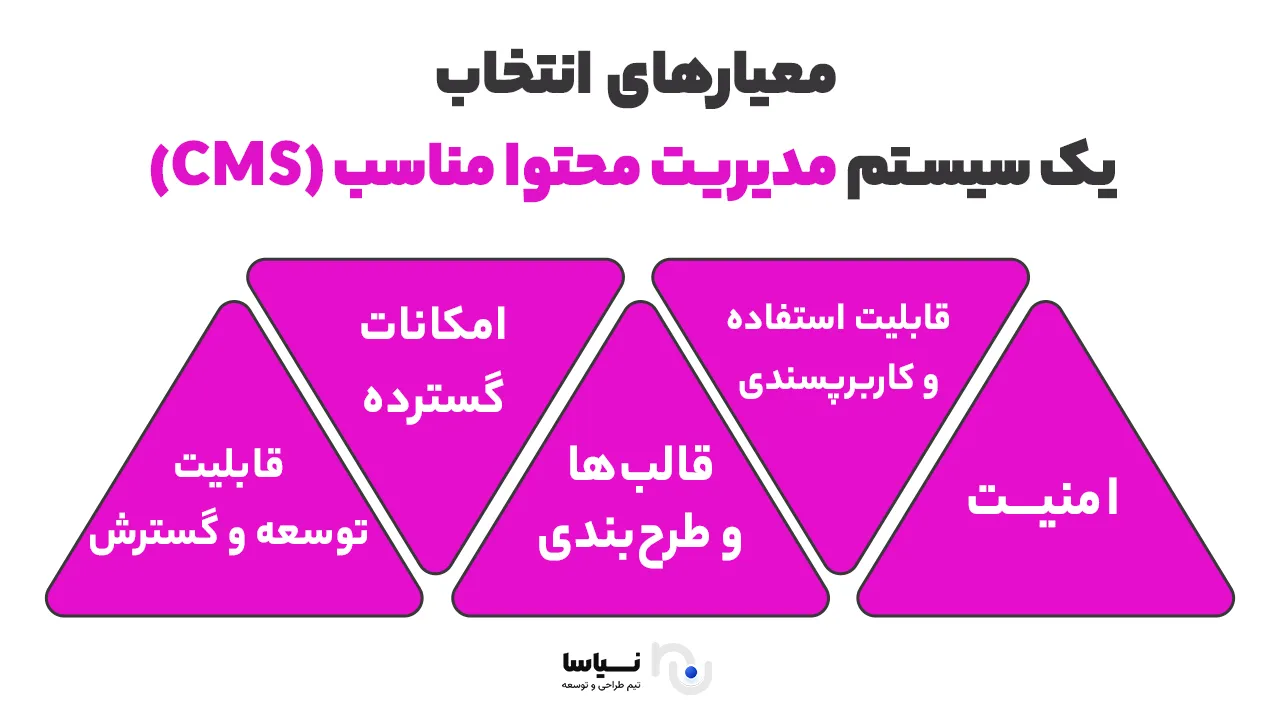
The criteria for choosing the right content management system (CMS)
In choosing the right content management system for your business's website, you should pay attention to the following criteria:
Usability and friendliness: a CMS should be simple and easy to use, so that you can readily edit and update your site's content.
Wide capability: a content management system should give you a variety of features and capabilities — creating pages, managing how images appear, adding contact forms and so on.
Security: protecting your information and your site's content matters a great deal, so the CMS you choose should have dependable security features.
Themes and layout: a CMS should give you a choice of beautiful, professional themes. It should also let you customise your site's theme and layout.
Scope for extension: choosing a CMS that can be extended matters a great deal for your business's site, so that in future you can readily add new capabilities and meet your commercial needs.
Bearing these criteria in mind, choose the right content management system for your business's website carefully and make use of what it offers, so as to give your customers a better experience of the information and ideas your business conveys.
The advantages of having a website in today's competitive conditions
In today's business world, having a website and a presence online offers advantages that should not be passed over. Studies show that a website is a powerful tool in growing and developing a business and has a considerable effect on increasing sales and reaching new customers. With a good, well-optimised website, you can get ahead of your competitors and attract new customers.
A website increases sales because it offers good-quality capabilities and services matched to customers' needs. A website also lets you stay in touch with your existing customers and offer them your services and products. That helps you strengthen your relationships with customers and give them the best possible experience.
A website also lets a business reach new markets and creates opportunities for further growth and development. With a presence online and related services such as e-commerce, you will be able to reach an audience and customers around the world and have a greater effect in international markets.