What is a multilingual website?
The main qualities of a successful multilingual site
Why designing a multilingual site matters
The stages of designing a multilingual website
If you are looking to extend your business internationally, or want to reach non-Persian-speaking users as well, designing a multilingual site is one of the most important steps you have to take. Designing a multilingual site, though, is not limited to translating text. The process takes a deep understanding of language, culture, the user experience and technical structure, and if those are not properly observed your site may not only fail to succeed but also lose users. Designing a successful multilingual site takes particular standards: choosing a suitable URL structure, designing an interface around the target culture, using the HTML tags related to language, and of course optimising SEO for the various search engines. In this article we look carefully and in detail at every point in designing a multilingual site, so that you can build an international, professional and well-made website that Google likes and that users enjoy being on. In what follows on the Niasa website, you will find the answers to every question that may arise about designing a multilingual website: "where do we start?", "what tools do we need?", "what mistakes should we avoid?". If you want to know exactly what principles you have to observe for your site to shine in international markets, read on.
What is a multilingual website?
A multilingual website is one that presents its content in more than one language. Such sites are usually designed to reach users from different countries or to answer the needs of audiences who speak different languages. An online shop selling to the Middle East, Europe or Asia, for instance, will lose a great many potential customers if it is only in Persian. That is where the importance of designing a multilingual site becomes clear.
The main qualities of a successful multilingual site
A successful multilingual site has to have qualities that improve the user experience and that are well made for SEO. Observing the principles of multilingual design in choosing the languages, translating the content precisely and designing a suitable interface is among the most important factors in your site's success in international markets.
Easy access to changing language: users should be able to choose the language they want readily. Flag icons or a dropdown menu are among the most common approaches.
Precise, professional translation: translations should be done by a human translator or with professional tools. Poor machine translation can lower a brand's credibility.
A design suited to the target language: languages such as Arabic and Hebrew are written from right to left, and a site's design has to be flexible in that respect.
Cultural fit: translating the words alone is not enough. The images, colours, expressions and even the style of writing have to accord with the target user's culture.
A separate URL structure for each language: using separate subdomains or folders such as /en/ or /fr/ helps SEO.
As you know, designing a multilingual site matters a great deal, because that website is your brand's face internationally and has to be such that it can persuade people to work with you; you therefore need a professional website design. To see the rates for professional web design, you can visit the link.
Why designing a multilingual site matters
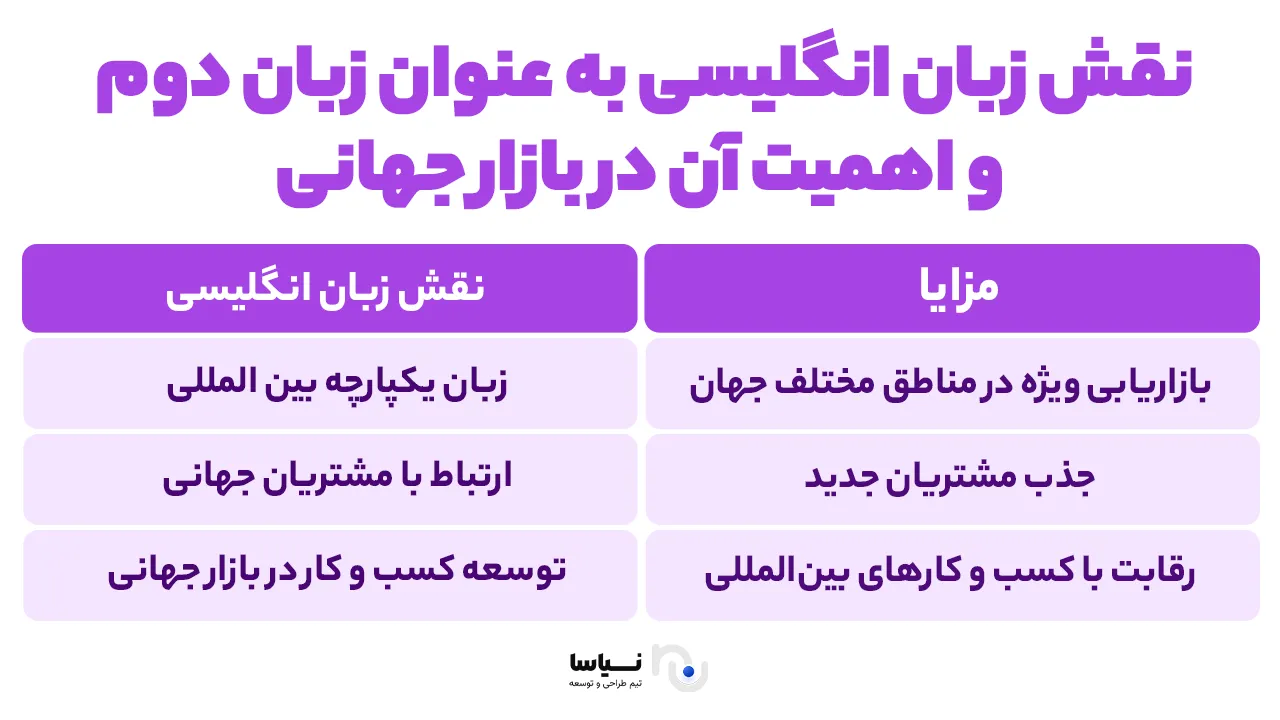
Designing a multilingual site lets a business reach an international audience and create a personalised experience for each language and culture. Observing the principles of multilingual design increases credibility, reaches more users and improves your position in search engines.
Widening your market: with a multilingual site you can take your target market beyond national borders.
Building trust: when users see a site in their own language, they feel more comfortable and more trusting.
Greater competitiveness: in the digital world, your competitors are not limited to your own country. A multilingual design makes you more competitive on the international stage.
A higher conversion rate: when users read content in their own language, they decide to buy or to engage more readily.
Taken together, a multilingual website is a key tool for any business or organisation that wants to be seen internationally and reach a varied audience. Translating the content alone is not enough, though. The principles of designing a multilingual site have to be fully observed so that the final result is professional, effective and user-friendly.
The stages of designing a multilingual website
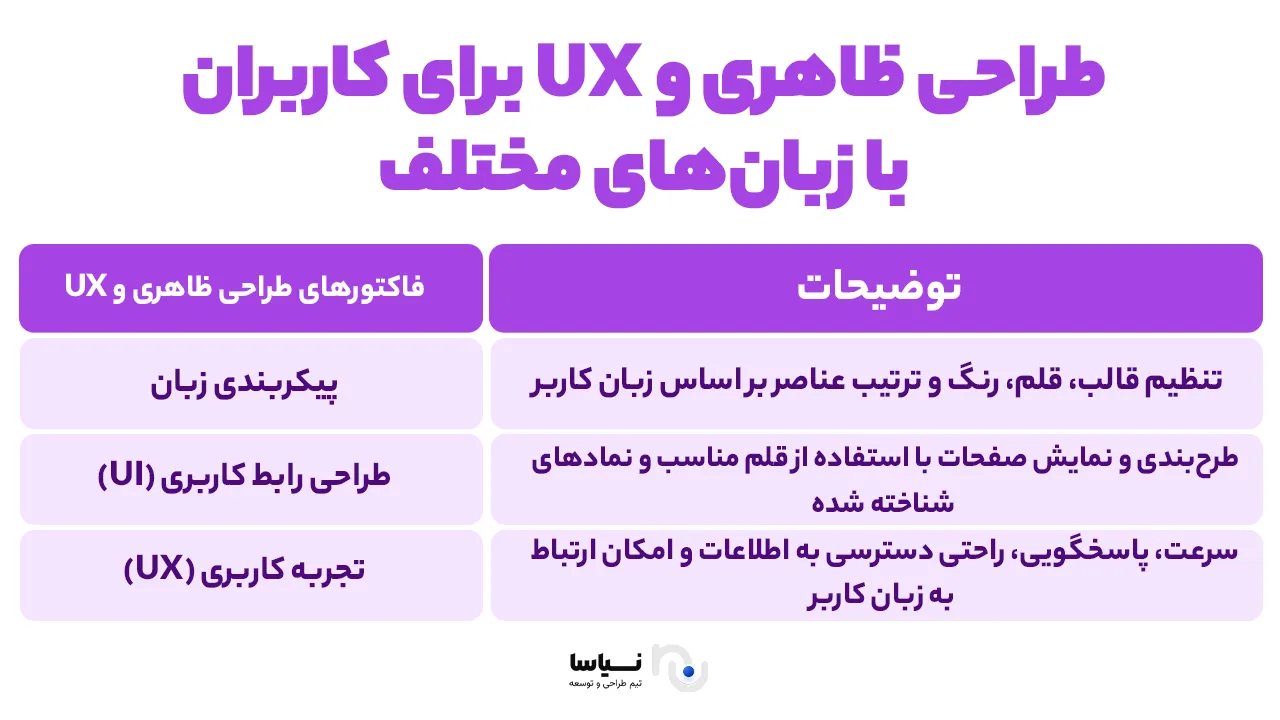
Designing a successful multilingual site takes careful planning and step-by-step execution. Below we look at the main stages of the process. Observing all of them guarantees that you carry out the principles of multilingual design properly and have a professional, international site.
1 – Planning
The first and most important step in designing a multilingual site is careful planning. To establish the languages and the target market, you have to settle the following:
Examine what languages your main audience speaks.
Research the market to establish which languages hold the greatest potential.
Then it is the turn of choosing how to implement the multiple languages. There are three main approaches:
A subdomain: en.example.com, for instance
A subdirectory: example.com/en/, for instance
A separate domain: example.fr, for instance
Each has its own advantages and drawbacks, and the decision should be made according to your SEO strategy, your budget and your site's structure.
Establishing your translation resources is the next step. To that end, answering the following questions is essential:
Are you using a human translator or translation tools?
Who is responsible for reviewing the translations?
Examining cultural and content rules is also a very important matter not to be overlooked. You have to know:
Is your existing content suitable for an international audience?
Do particular images or expressions need to change?
2 – Design and the interface (UI/UX)
One of the most important points in designing a multilingual site is attention to an interface suited to different languages. Good multilingual websites observe the following three points in designing their interface:
Support for right-to-left (RTL) languages
Languages such as Arabic, Persian and Hebrew need an RTL design.
The direction of the page's elements, the typefaces and the overall layout have to suit it.
Then it is the turn of choosing a suitable typeface. A typeface that is beautiful in Persian may not work in English; an optimal typeface therefore has to be chosen for each language.
Designing the language menu is the next step. It is usually better for the language selector to sit at the top right or left of a site. Using flags together with the language's name can improve the user's experience. Consistency of design is among the important points in designing a multilingual site. Every language version should have the same structure and design so that a user is not confused when changing language.
3 – Choosing a suitable URL structure
The URL structure of a multilingual site bears directly on SEO and on the user's experience.
The kinds of URL structure are as follows:
Subdirectory: the simplest to manage and suited to smaller sites.
Example: example.com/en/
Subdomain: suited to separating content completely, but it needs its own SEO.
Example: en.example.com
A separate domain: for brands operating entirely in a particular country or language.
Example: example.de
Google's recommendation:
Google usually recommends a subdirectory structure, because it is easier to manage and keeps SEO more concentrated.
An important point: whichever structure you choose, hreflang tags have to be used in the HTML so that search engines understand which version of a page suits which language (we say more about this below).
4 – Optimising images and multimedia content
One of the important principles in designing a multilingual site is optimising images and multimedia content. Images and videos play an important part in reaching an audience and should be optimised so that they suit different languages and improve the user's experience.
Translating and localising images
Images tied to text: if your image contains text, that text also has to be translated into the other languages.
Localising images: some images may not suit users in different countries. An image suited to an Iranian audience, for instance, may not appeal to European or American users. Images should therefore be chosen to suit different cultures.
Optimising for speed
Compressing images: images should be compressed so that a site's load speed does not fall. Tools such as TinyPNG or ImageOptim can help.
Using newer formats: formats such as WebP are designed particularly for websites and can reduce file sizes without affecting image quality.
Optimising videos
If you use video on a site, you have to be sure its language and its subtitles are translated precisely. To increase load speed, videos should be compressed into suitable web formats such as MP4.
5 – Using the right HTML tags
Using HTML tags properly is one of the most important points in designing a multilingual site and helps search engines and users understand the content more readily.
The hreflang
tag is an HTML tag that tells search engines which language a page's content is in and which geographical region it suits. It helps prevent duplicate content and creates a better user experience.
For example:
<link rel="alternate" hreflang="en" href="https://example.com/en/" />
<link rel="alternate" hreflang="fa" href="https://example.com/fa/" />
The lang tag
In the <html> element, you have to use the lang attribute to establish the default language.
Example:
<html lang="en">
Other meta tags
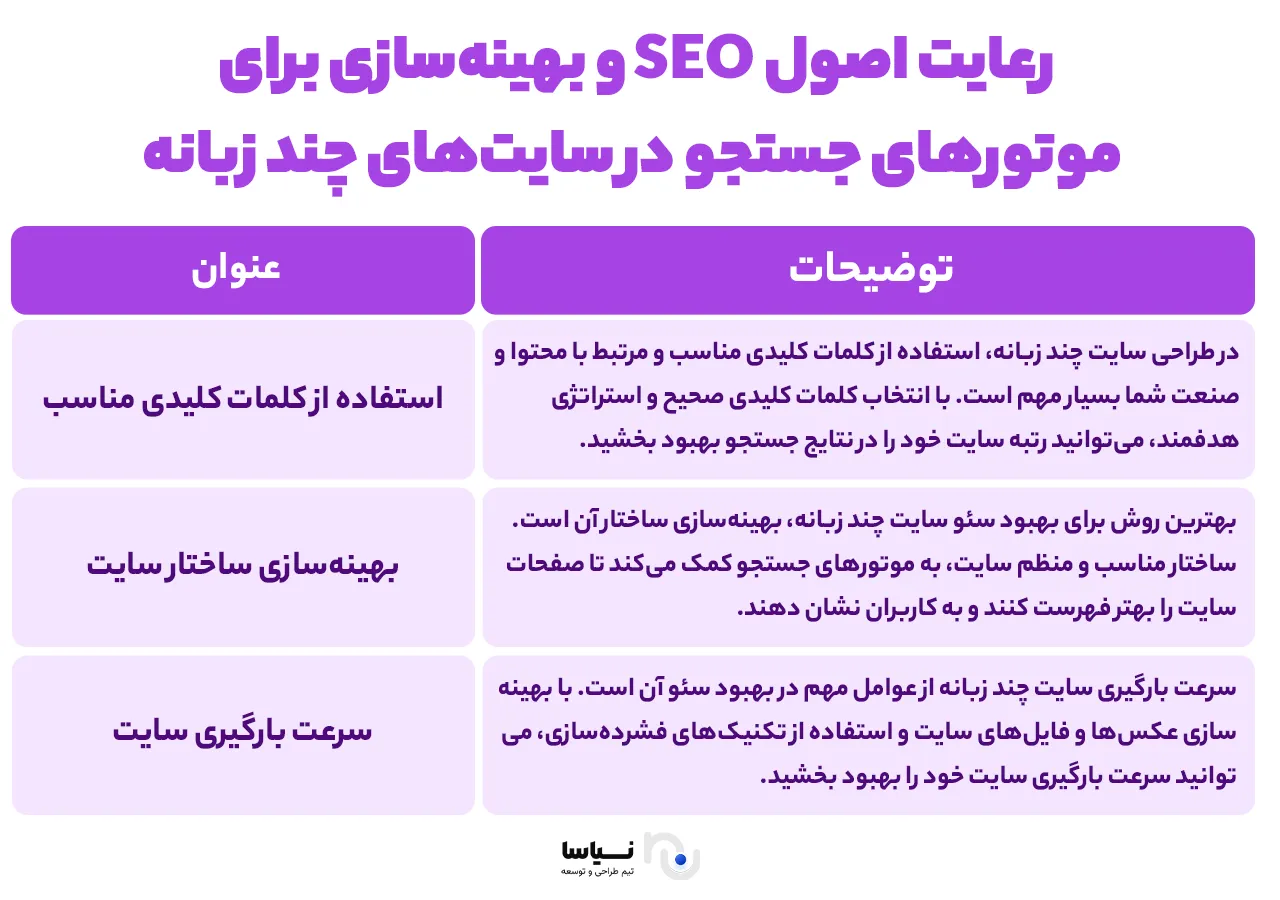
To improve SEO, suitable meta tags for each language are essential. Tags such as the meta description and meta keywords should be set separately for each language.
6 – Building backlinks
Backlinks play a very important part in improving SEO, and on a multilingual site you should pay particular attention to them.
Building local backlinks
For each language, obtain backlinks from local or reputable sites in that language. That increases your site's credibility in that language and region.
Using foreign sites
Alongside local backlinks, backlinks from reputable international sites also contribute to a site's credibility.
Producing local content
Producing dedicated, local content for each language not only reaches a wider audience, it also leads indirectly to more backlinks.
7 – Updating the content
A multilingual site's content has to be updated continuously. Users and search engines welcome sites that are kept up to date.
Updating the content in every language
When a site's content is updated, it has to be updated in every language version. That keeps a site's content relevant and useful.
Coordinating with translation teams
If you have a translation team, you have to ensure coordination between the various teams so that new content is translated and published in the other languages as soon as possible.
Adding local content
Alongside updating existing content, producing new, local content in the various languages can also bring more traffic to a site.
In summary
Designing a multilingual site is a complicated process, but by observing the principles of multilingual design, great success can be achieved. Careful planning in choosing the languages and the target market, designing an interface that lets users choose the language they want, and using a well-made URL structure are among the important principles here. Beyond that, optimising images and multimedia content, using HTML tags such as hreflang and lang to improve SEO, and building reputable backlinks from local and international sites matter a great deal. Updating content continuously in every language version also helps keep a site fresh and relevant. In the end, observing these principles reaches an international audience and improves a site's position in international markets.