What is a static website?
What is a dynamic website?
The advantages of a dynamic website
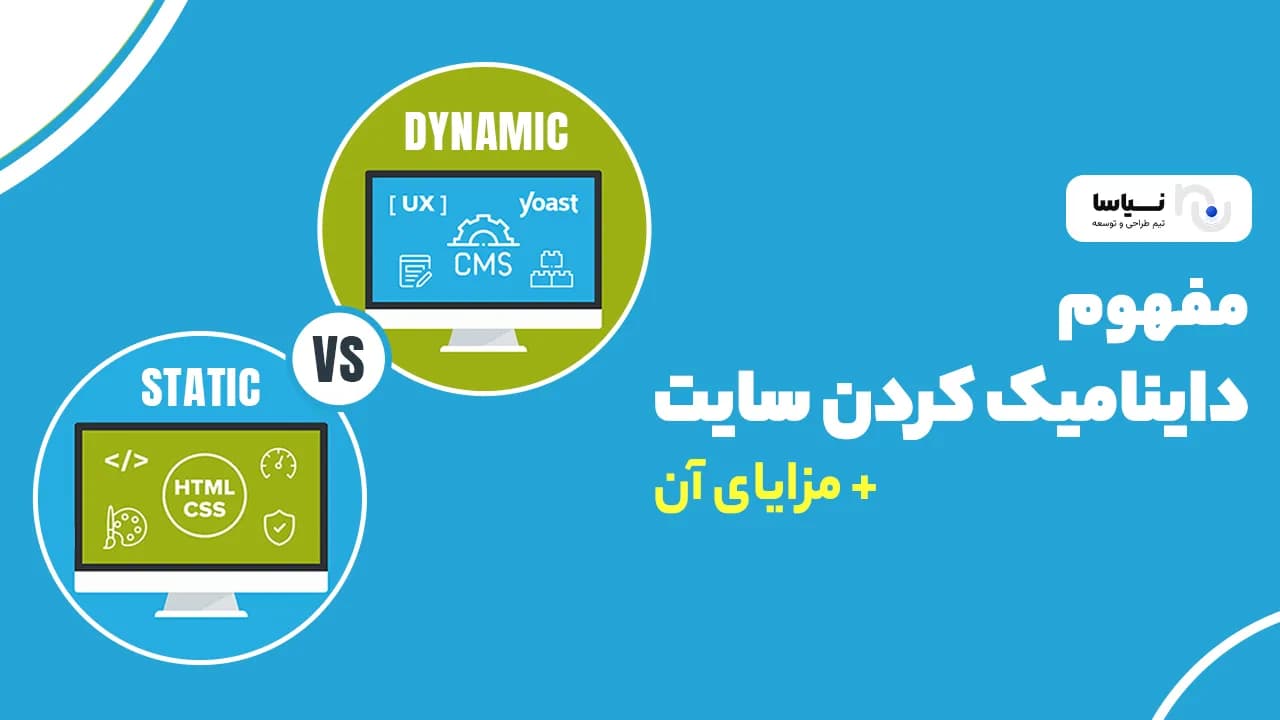
In recent years, building websites with a focus on improving the user experience for brands and their target audiences has come to matter particularly. Every company's main aim is specialist web design that can be displayed on a range of platforms: desktop computers, laptops and smartphones. One of the exciting developments in this field has been the creation of dynamic websites. In this article we look closely at what a dynamic website is and at its advantages.
What is a static website?
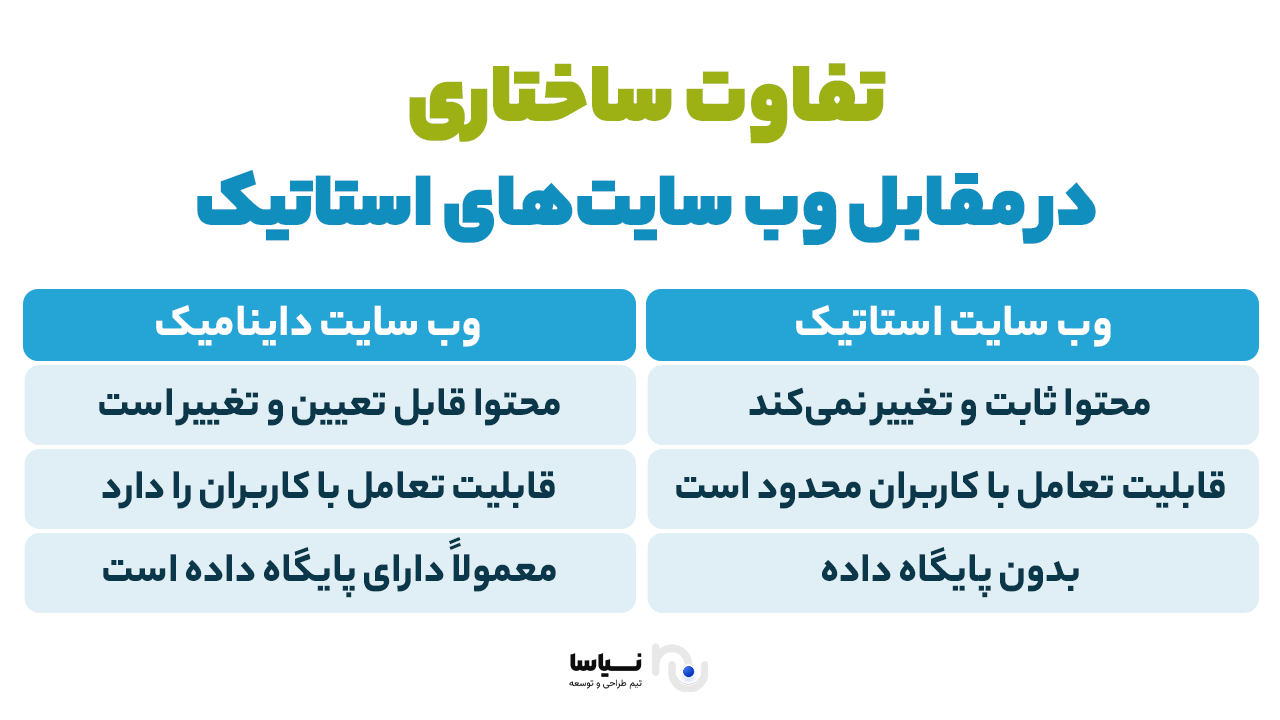
A static website has a simple, fixed structure. It usually consists of a set number of pages with a fixed design. Once loaded in a browser, the content of those pages stays the same regardless of what the user does. Designing a static website is relatively easy and is often done using simple HTML and CSS in a text editor such as Notepad. To change the pages' appearance, you need only repeat the HTML in every page and apply the changes you want. That takes less time and effort than designing a dynamic website and is therefore less complicated.
What is a dynamic website?
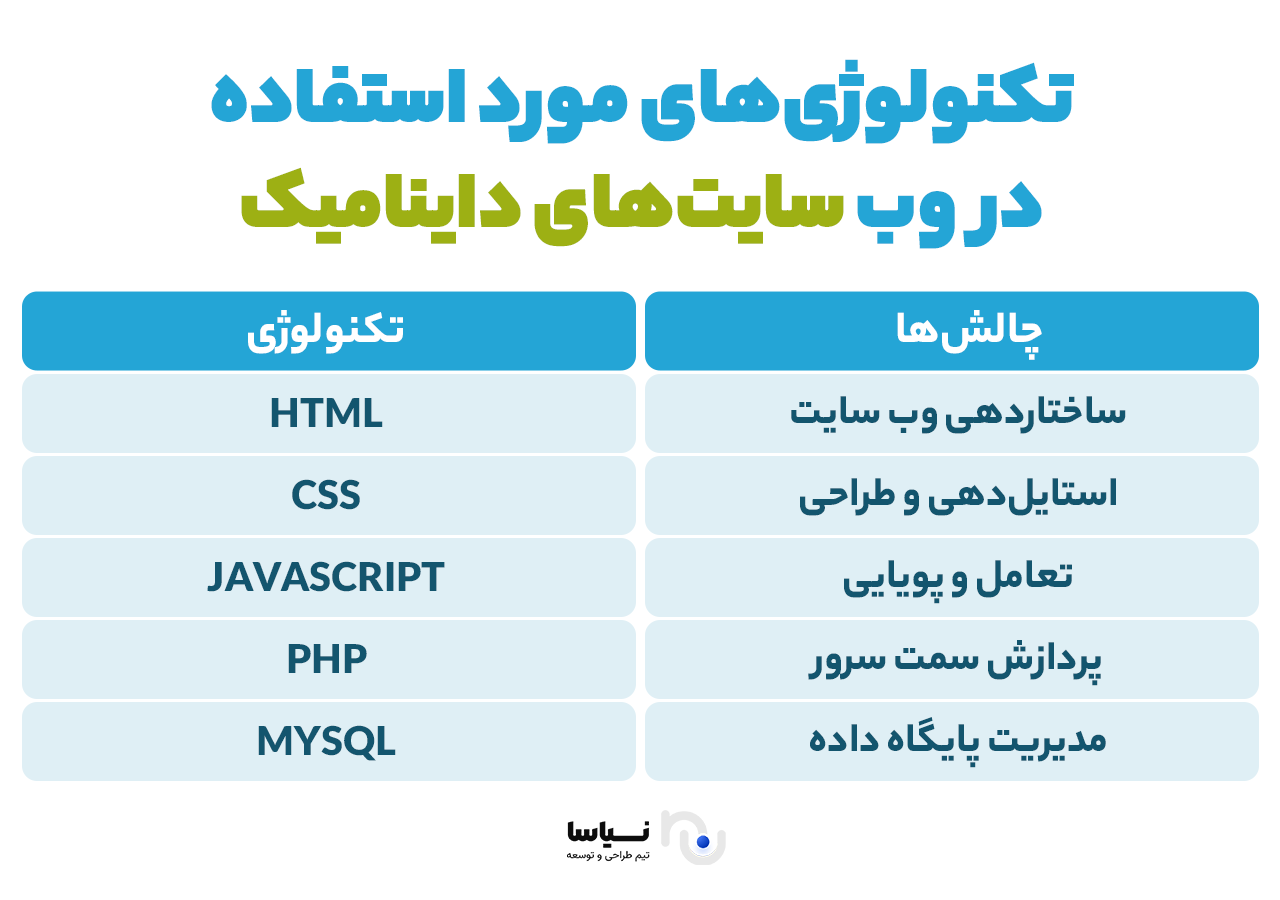
Dynamic websites, also known as data-driven websites, take web programming and database design. They contain content and information that changes continuously according to various factors: the visitor, the time, the time zone and the language of the country they are in. The text and images used on these websites are stored in a content management system or a database, and any change or update to the database is reflected on the website immediately.
Compared with static websites, dynamic websites are far more practical and let users interact with a page's content. To produce their content they use a combination of client-side programming (code run by the browser) and server-side scripting (code run by the server) and need less plain HTML than static websites do. Now that the fundamental differences between the two kinds of website are clear, we can look at the advantages of a dynamic website.
The advantages of a dynamic website
Now that you are acquainted with what a dynamic website is, it is time to look at the advantages of building one. They will help you decide with a broader view whether such a site suits your business. Below we set out some of the most important:
A better user experience
Dynamic websites are designed to create a user-friendly, flexible experience, so that users can readily make changes on the site to suit their own needs. They are interactive and let visitors leave their comments and feedback while visiting. That feedback helps the site's builders learn users' views in real time and make the improvements needed.
Designing intuitive navigation, adding and improving functionality, and personalising the experience for each visitor are all readily done and contribute to a site's overall quality.
Easier maintenance
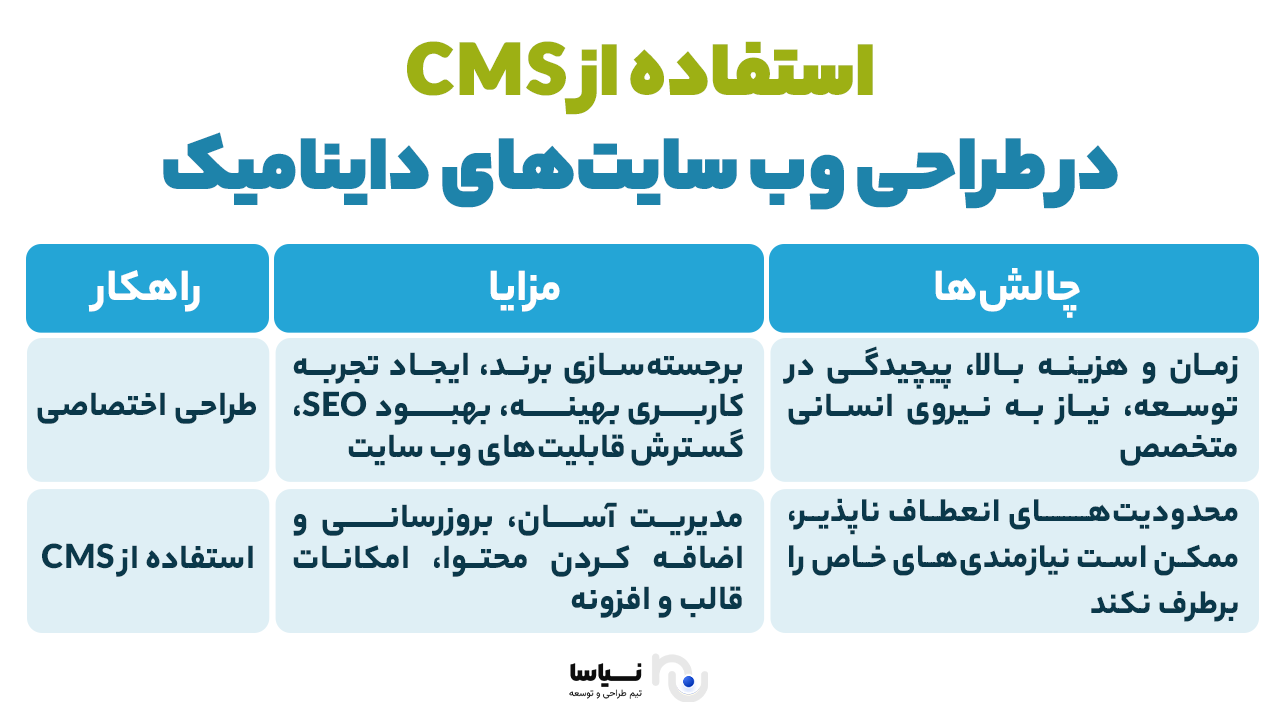
By drawing on a comprehensive database holding every element, including the pages' content, content management systems (CMSs) provide an ideal platform for dynamic websites. Using scripting languages, they interact powerfully with the database and make it possible to apply changes across a whole site without editing every page. Processes such as uploading new content, editing design elements or changing a background are thus done with considerable ease and speed.
Easy updating
One of the most important advantages of building a dynamic website is the ease of updating information and content as needs change. Making changes to a site of this kind takes no complicated technical knowledge. A change to a template file automatically affects every page that uses it.
That quality makes dynamic websites a far more efficient tool than static ones for managing content and adapting to different screens and platforms. Dynamic pages can, in other words, be updated quickly and readily to answer the changing needs of users and devices.
A professional appearance
Because of their distinctive qualities, dynamic websites present a more professional and more striking appearance than static ones. Static websites usually lack the elements today's users expect of a modern website: interactive capabilities, dynamic behaviour and ease of editing content. Dynamic websites, drawing on those qualities, create a more appealing and more professional user experience. That leads users to regard dynamic websites as modern and dependable.
Forward-looking
By creating an interactive space, dynamic websites encourage users to take an active part in a site's content. Offering a personalised, appealing experience, they engage users and stay longer in their minds. Unlike static websites, limited to showing text and images, dynamic websites use interactive elements to create a lively and memorable experience. That engagement not only increases users' satisfaction, it also increases the likelihood of them returning to the site.
In summary
In today's digital world, websites, as businesses' online shop windows, play a vital part in reaching an audience and strengthening a brand. Given the striking advantages of dynamic websites — a better user experience, easier maintenance, faster updating, a more professional appearance and a forward-looking approach — choosing one appears essential for a modern business. By offering interactive, personalised capabilities, dynamic websites not only increase users' satisfaction, they also help a business establish its place in a competitive online market. Investing in the design and development of a dynamic website is therefore an intelligent step towards success in the digital world.