Goals
Agreed with the client before anything was drawn.
- 01A user signs in once and stays signed in.
- 02The main jobs can be done on a weak connection too.
- 03Notifications arrive on time and without extra noise.
Design & development studio
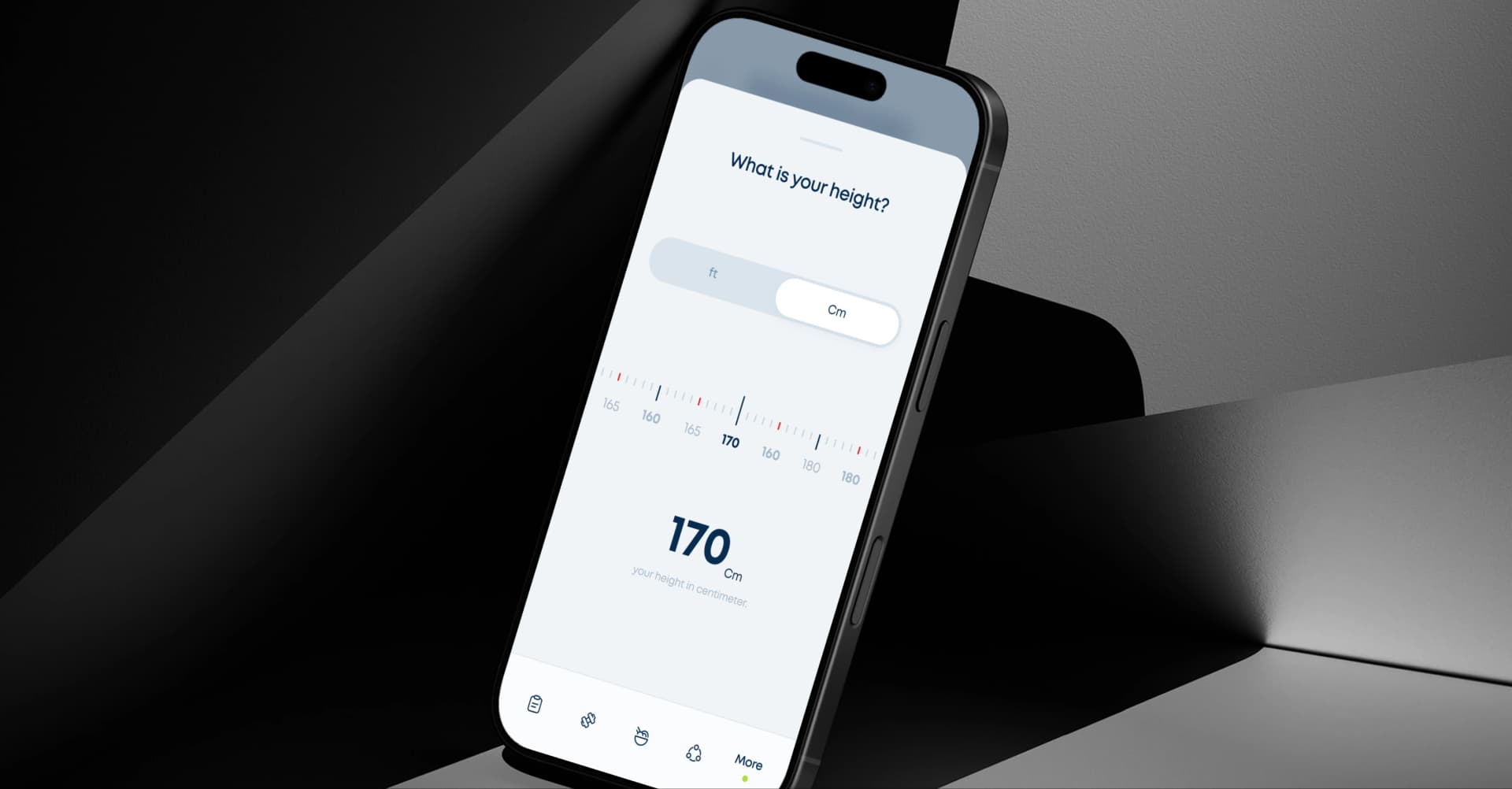
The Grishana mobile application
The numbers that mattered to the client — not the ones that look good.
Agreed with the client before anything was drawn.
Everything that was handed over at the end.
The service's work happens on a phone, and the previous web-based version was not built for daily use: it asked for a login every time, had no notifications and did not work offline.
A native application with a persistent login, notifications, and local storage of the data people use most, so work does not stop on a weak connection.
Bottom navigation with four main destinations and no more. The frequent actions within reach of a thumb, and the forms as short as they could be.
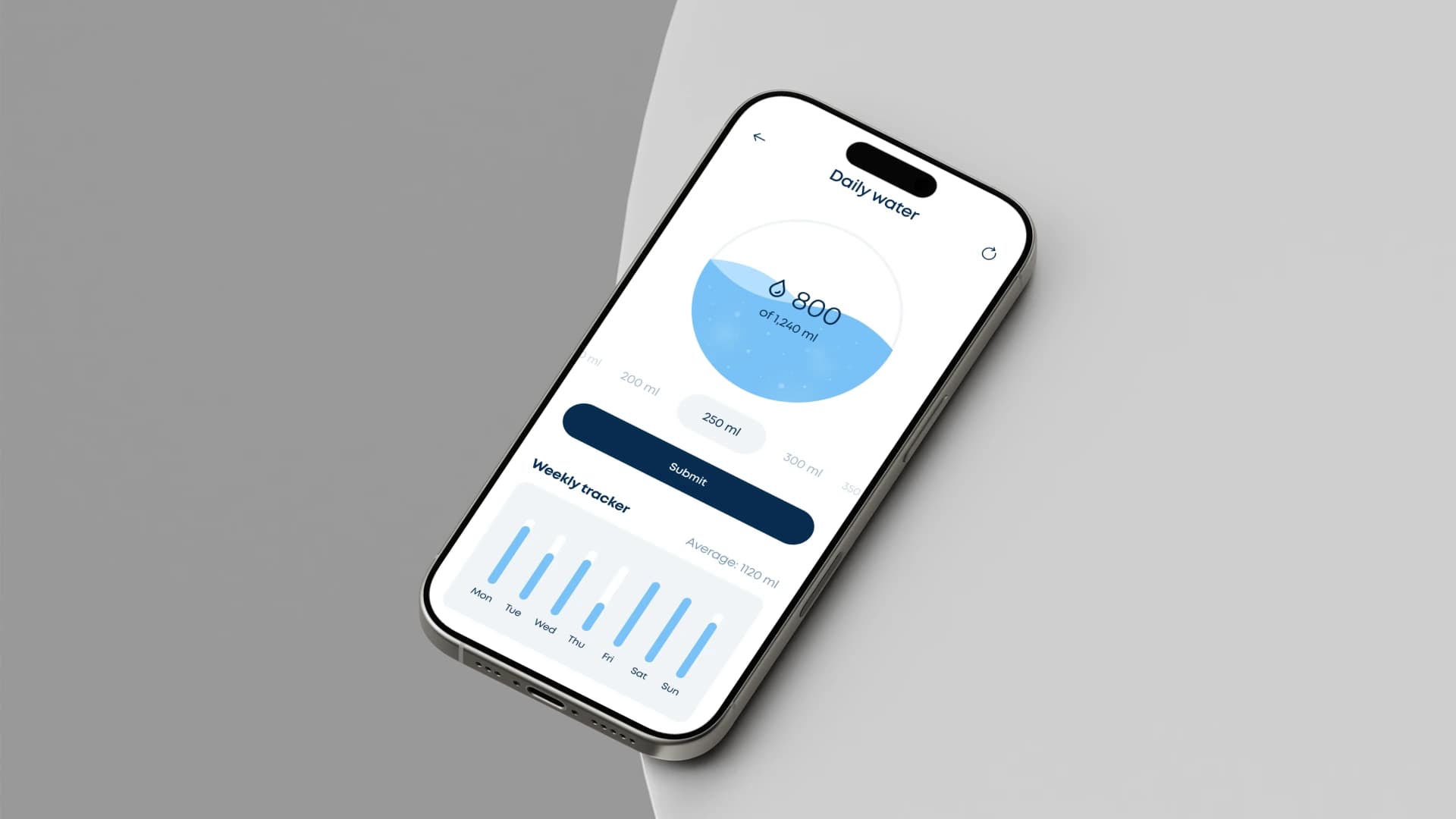
The things this product does now that it could not do before.
One sign-in, and after that the session lasts until the user signs out themselves.
Frequently used data is held locally and syncs when the network comes back.
Notifications only for the things a user needs to know; grouped, and possible to switch off.
Four main destinations within reach of a thumb; anything more would have become another menu.
The route the work actually took, with the time each stage needed.
A review of how users behaved on the previous version, and identifying the four main daily jobs.
Navigation, the main paths and the offline behaviour.
Designing the screens across sizes, with a focus on the forms.
Building the app, the notification service and the sync layer.
Testing across devices and a staged release.
The tools this project stands on, and still runs on today.
The app has become the main way the service is used, and the sync layer is the one we handed over.
A short call, free and without obligation: we listen to what you need, then tell you how long it takes and what it costs.