
In today's world, content marketing has become one of the most effective tools for reaching a target audience. Businesses able to produce valuable, engaging content suited to their audience's needs not only win a better place in the market, they also build stronger relationships with their customers. As competition in the digital space has grown, a precise strategy and particular skills in content marketing have become essential.
If you want to identify your target audience precisely and turn them into loyal customers, producing content alone is not enough; you also have to master particular skills in producing, distributing and analysing content.
In this article we look at 10 vital skills in content marketing that can help you succeed and win your target audience. With these skills, you can hold your audience's attention and invite them to engage with your brand.
What is content marketing?
Content marketing is a marketing strategy that involves creating and distributing valuable, relevant and consistent content in order to attract and keep a particular audience. Its ultimate purpose is to increase engagement with that audience, build awareness of the brand and, in the end, turn them into loyal customers.
The key elements of content marketing
The key elements of content marketing are a precise understanding of your target audience, the production of valuable content, and the distribution of that content through the right channels. These elements help a business communicate more effectively with its audience and, in the end, build greater trust and engagement.
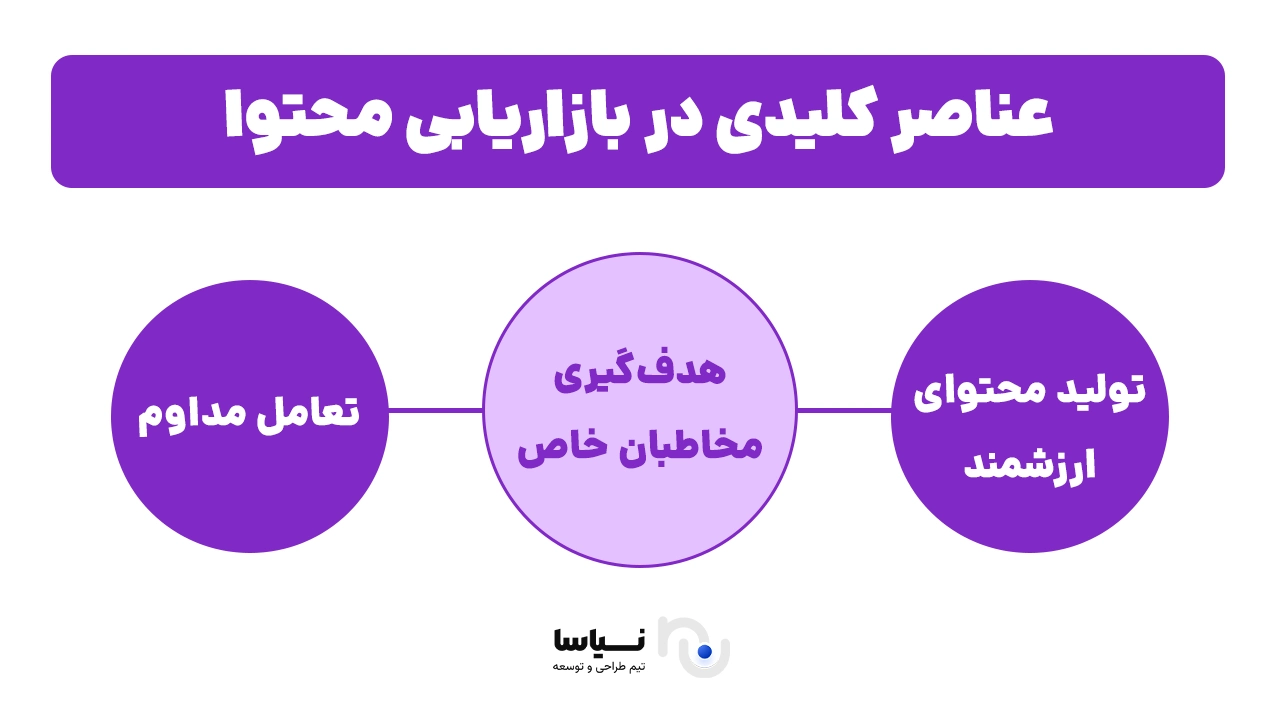
Evaluating and refining content continuously is also essential to maintaining that relationship and attracting a new audience. We explain each of these points further below.
Producing valuable content
The content you produce should carry useful, engaging information suited to your audience's needs and interests. Useful content does not mean text alone; valuable content includes videos, podcasts, infographics and many other forms.
Targeting a particular audience
Content marketing is carried out with a focus on a target audience. At the pre-production stage, answering this question is very important indeed:
"Who needs this content, and by what route can they reach it?"
Continuous engagement
One of the important characteristics of content marketing is that it has to be done regularly and consistently. Publishing content consistently and continuously strengthens your relationship with your audience and helps build trust and a two-way bond between you and them.
What content marketing is for
Content marketing is usually used to reach several goals:
Brand awareness: by producing valuable content, more people become acquainted with the brand.
Reaching an audience: content helps you reach a new audience interested in your products or services.
Greater engagement: with good content, you can engage more with your audience and increase comments, shares and conversation.
Turning visitors into customers: content marketing helps you turn a potential audience into loyal customers.

Example:
Suppose you make a particular brand of cosmetics. One way of reaching your target audience is to start a blog on which you publish articles about skincare and make-up. By offering useful content relevant to your target audience's needs — people interested in cosmetics and skincare — you hold their attention, and the likelihood of them buying your products increases.
10 essential skills for content marketing
In content marketing, a precise and strategic content plan takes a set of fundamental skills capable of conveying your message to an audience effectively and strengthening your brand. Below are 10 essential skills for building a successful content plan, with explanations and clear examples:
1. Audience targeting
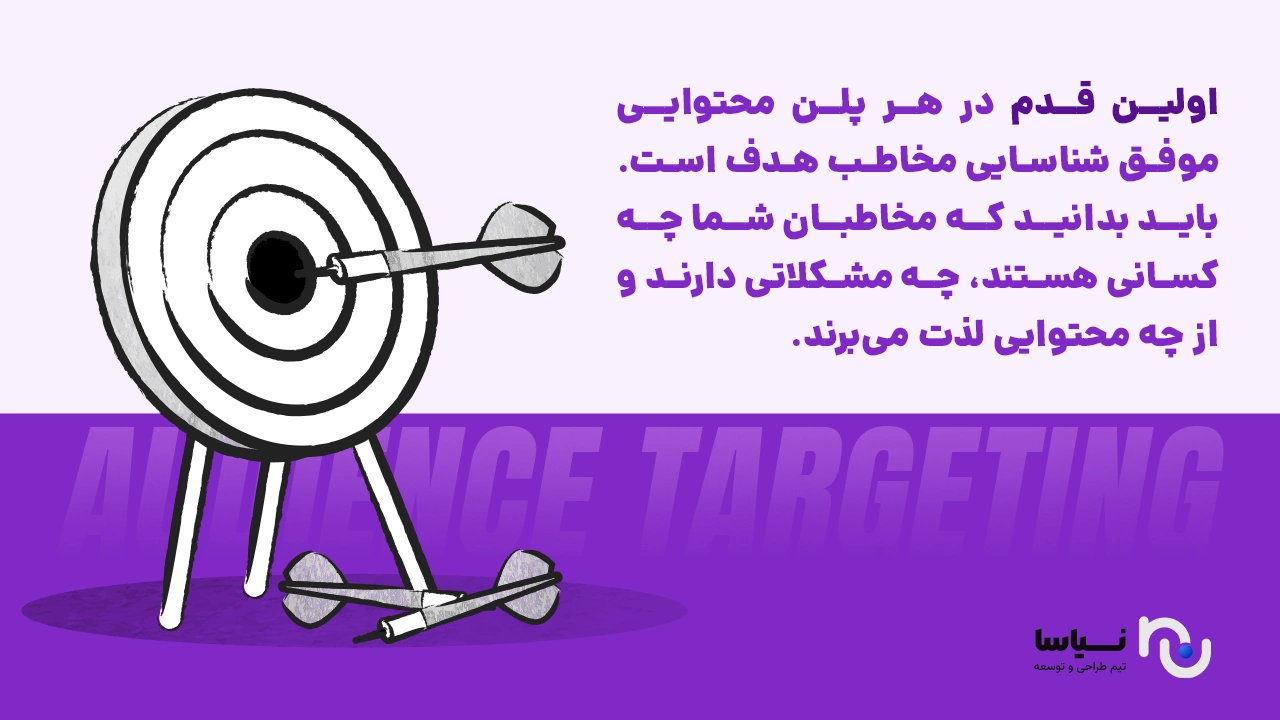
Who is your audience? What are their needs and concerns? The first step in any successful content plan is identifying your target audience. You have to know who your audience are, what problems they have and what content they enjoy. To do that, you need careful research and analysis of data and audience behaviour.
If you intend to produce content for a website in the health field, for instance, you have to know which group your audience mostly belongs to:
medical professionals
patients looking for a solution to their problems
or people looking to prevent illness and stay well
Knowing this helps you produce content in the language and to the particular needs of that group.
2. Brand strategy
Brand strategy is the foundation of any content production. The content you produce should match your brand's values, goals and personality. Put another way, your content should reflect the key message and the image your brand intends to convey to its audience. If your content plan does not work towards realising your brand's values and goals, it is not only of no use to your website and your brand, it also has a negative effect on how your audience sees you.
If your brand is built on high quality and a luxury service, for instance, your content should not emphasise thrift or low prices. It should focus instead on high quality, on detail and on a luxury experience, so that it accords with your brand's identity.
3. SEO and content optimisation
SEO (search engine optimisation) is one of the key skills in content marketing. As well as appealing to users, your content has to be optimised so that search engines can find it and rank it higher. SEO covers keyword research, optimising headings, using meta tags appropriately and improving site speed.
If you have an online bag shop, for instance, researching the right keywords — "buy a leather bag" or "women's handbag" — and using them in your headings and in the body of the content helps search engines find your content and show it to your target audience.
4. Storytelling
Storytelling helps you present your content in a way that engages your audience emotionally. Stories are a powerful tool for conveying complicated messages in a simple, engaging form. You have to be able to define a storyline that both connects with your audience and serves your commercial goals.
In its campaigns, for instance, Nike uses inspiring stories about athletes and the hardships behind their success. Stories of this kind not only build an emotional connection with the audience, they also convey the brand's message: "Just do it."
5. Research
One of the important elements in producing good content is careful, thorough research. You have to make sure the information you present is credible and up to date. Using reputable sources helps you win your audience's trust and be recognised as a credible authority in your field.
If you are producing content for a website about nutrition, for instance, it matters a great deal to use scientific papers and credible research to support the information you present. That leads your audience to trust you and to come back to you as a credible source of information.
6. Interviewing
Interviewing specialists and prominent figures in your industry helps you gather distinctive, valuable information for your content. This skill lets you add key points from the point of view of experienced people and so raise the value of what you produce.
If you are preparing an article about the future of artificial intelligence, for instance, an interview with a prominent researcher in the field can provide useful, specialist information for it and give your content greater authority.
7. Creative writing and copywriting
The ability to write engaging, creative content is one of the fundamental skills in content marketing. You have to be able to write text that holds an audience's attention and keeps them engaged to the end of the piece. Using the right keywords and a tone suited to your target audience also matters a great deal.
In writing an advertising campaign for a cosmetics brand, for instance, short, forceful sentences alongside clear explanations of a product's features and benefits can encourage an audience to buy.
8. Measurement and analytics
Any successful content strategy has to include processes for measuring and analysing how content performs. You have to know how to use analytics tools such as Google Analytics to evaluate your content's success and identify opportunities to improve. That helps you understand which kind of content performs best, and why.
If your video content performs better than your blog posts, for instance, you can change your strategy and focus more on producing video.
9. Content repurposing
Turning one piece of content into several different formats — video, infographic, podcast and blog article — is one way of getting more out of it. By repurposing and rewriting content for different platforms, you can present it to different groups of people and increase your reach.
A comprehensive report can be turned into shorter articles, an infographic, or even short videos for social networks. That helps you get the most out of a single piece of content.
10. Standing out while blending in
In content marketing, you have to find a balance between following best practice and creating something distinctive. If your content is exactly like everyone else's, you cannot show what sets you apart. At the same time, your content has to match your audience's expectations and needs.
If most technology blogs focus on product reviews, for instance, you can set yourself apart by publishing articles about the innovation behind the scenes and about new technologies that have had less attention so far.
These skills help you not only produce engaging, effective content but also, with a strong and strategic content plan, strengthen your brand and see tangible results from your marketing.
In summary
Content marketing takes a good many key skills that help you attract and keep an audience. They include identifying and deeply understanding your audience, setting out an effective content strategy, engaging writing and storytelling, search engine optimisation (SEO), data analysis, content distribution and promotion, time and project management, and the ability to keep pace with changes in the market.
Mastering these skills not only helps you produce valuable content, it leads in the end to effective relationships with customers and to reaching your commercial goals.