
Content marketing has become an essential tool for business success in the digital world. While many large companies have embraced content marketing strategies, small businesses often underestimate it.
And yet, done properly and with purpose, content marketing can be an essential part of a small business's overall success. Content that is distinctive, relevant and engaging can set a small business apart from its competitors. In what follows we look at why a content marketing strategy matters for small businesses, and how to put one into practice.
Why do small businesses need content marketing?
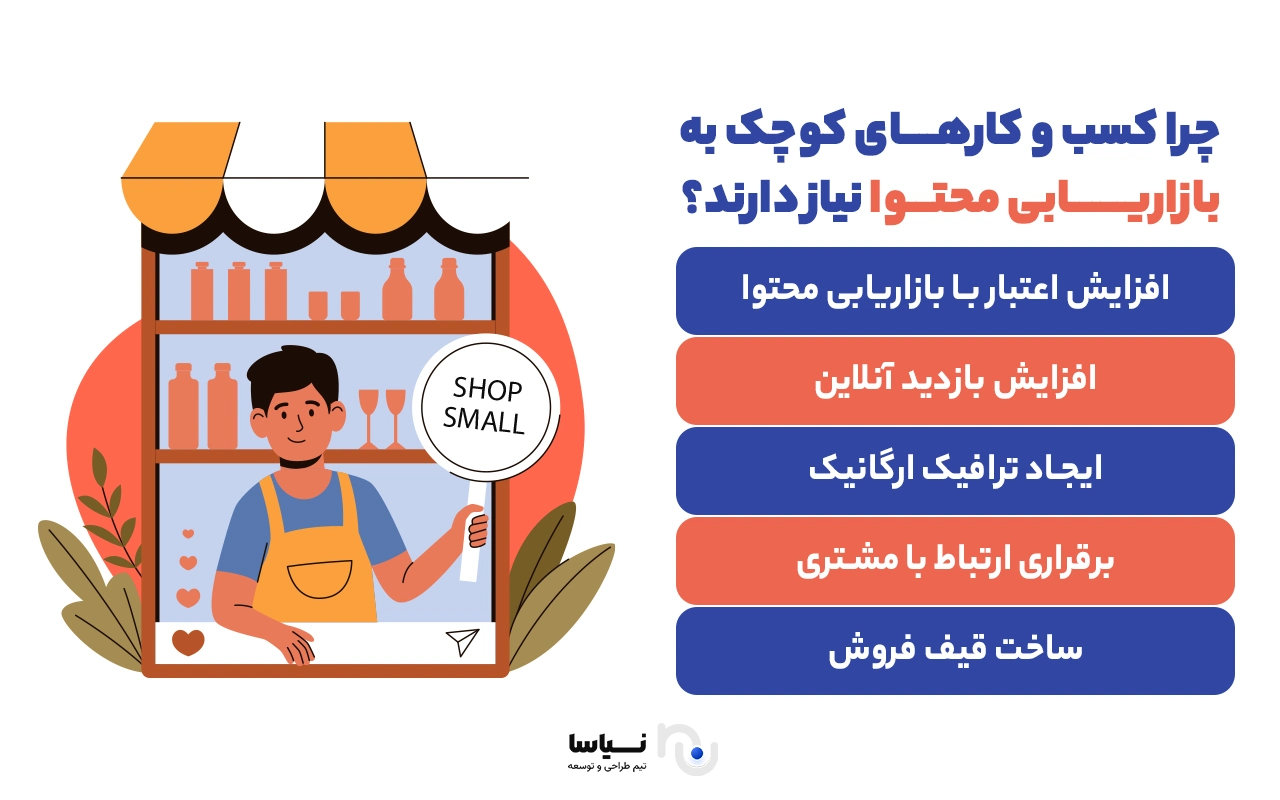
There are many reasons why content marketing matters for a small business; let us look at them in turn:
Building credibility through content marketing
Content marketing helps small businesses become known as a credible authority in their industry. It does this through the production of valuable, informative content. By offering content of that kind, a business puts its expertise on display.
It also answers customers' shared problems and needs and offers solutions to their concerns. When customers find useful, relevant content from a small business and can cite it, they become less likely to trust that business's competitors and go to them instead. Offering content of this kind gives customers a firm reason to choose your business.
To reach that position and become a trusted source, you have to produce quality content consistently — content customers notice, like and share. Building credibility and authority in this way takes time and patience, but the rewards are considerable for a business that becomes the main source of answers to its customers' questions.
Greater visibility online
For small business owners, being seen in search results matters especially, because their customers are often looking for exactly the services they provide. Content marketing plays a key role in search engine optimisation (SEO).
Google and other search engines reward content that demonstrates E-E-A-T (experience, expertise, authoritativeness and trustworthiness). By producing quality content rich in the keywords that match their target audience, small businesses can improve their ranking in search engines.
It could be argued that creating and publishing content on a Google Business Profile (GBP) matters more than any other content marketing a small business can do. Google gives weight to businesses that are active and engaged with their audience through GBP.
Generating organic traffic
Organic traffic is a hidden treasure for small businesses. That is because customers who reach you through organic search are far more likely to convert into real customers. It is the most valuable kind of traffic any business can have.
Content marketing is a powerful tool for attracting organic traffic. By producing targeted content built around the keywords your customers search for, you can answer their needs. That makes your website and your Google Business Profile more visible and sends more organic traffic your way. Put another way, by producing quality content you both meet a customer's need and put your business in front of more people.
Connecting with the customer
Effective content marketing helps small businesses build a two-way, lasting relationship with their customers. Producing engaging, relevant content plays an important part in building that relationship, and there are many tools for it: social networks, blog articles, email and video.
Content of this kind strengthens customers' sense of belonging and encourages them to engage with the business. Publishing engaging posts on social media and answering users' comments and questions, for instance, creates a sense of trust and of being valued.
Blog articles written around customers' needs likewise turn them into a loyal audience. Email newsletters let you stay in direct contact with customers and keep them abreast of the business's latest news and offers.
The most important point in content marketing is responding to customers' comments, questions and points of view. Doing so shows that the business owner cares about their customers and values them. That in turn increases customer loyalty and, with it, the progress of the business.
Building a sales funnel
Content marketing helps businesses guide potential customers gradually through the stages of the sales funnel. With the right content, a business can attract an audience, nurture it with informative and useful material, and finally turn it into real customers.
Educational content, product comparisons and stories of customers' experiences are all examples of content that, by answering customers' questions and doubts at each stage, brings them closer to a final decision and a purchase.
How should a small business put content marketing into practice?
Having understood why content marketing matters for small businesses, the real question is this: how do we put effective content marketing strategies into practice alongside the day-to-day running of the business? That is what this section answers.
Know your target audience
Knowing your target audience is the first and most vital step in any successful content marketing strategy. Business owners have to identify precisely who their ideal customers are and what interests and needs they have. That information guides the production of content that matches the target audience and, as a result, brings greater engagement and conversion.
Knowing where your customers live, or which online spaces they spend most of their time in, helps you build a more precise and better-targeted audience and get your content to them more effectively. Without it, your content will simply disappear — unseen, unliked and unshared.
Draw up a content plan
Small businesses need a comprehensive content plan covering the following:
A content calendar: a set calendar establishing when material is published.
A content outline: a list of the kinds of content to be produced (blog posts, videos, infographics and so on).
Publishing platforms: identifying the platforms on which the content will be shared (the website, social networks and so on).
A publishing schedule: setting the exact times at which content goes out.
Planning content in advance helps a business make sure its message stays orderly and organised, and prevents publishing from becoming scattered and inconsistent.
Produce distinctive content
As we said in the previous section, content marketing has become a mainstay of business strategy and the competition in it is intense. So an important question arises for small businesses: how can they make their content stand out and have something of their own to say? This is a real challenge, and one we all face at the moment. But what is the answer?
Every business, whatever its size and whatever it does, has to focus on its own stories, experiences and points of view. It is exactly these distinctive qualities that can set your content apart and draw an audience to it.
Vary your content formats
Everyone has their own taste in the content they like. To reach a wider range of people, small businesses should try to offer their content in a variety of formats. That variety might include engaging blog posts, detailed case studies, instructional or entertaining videos, informative podcasts, or other newer formats.
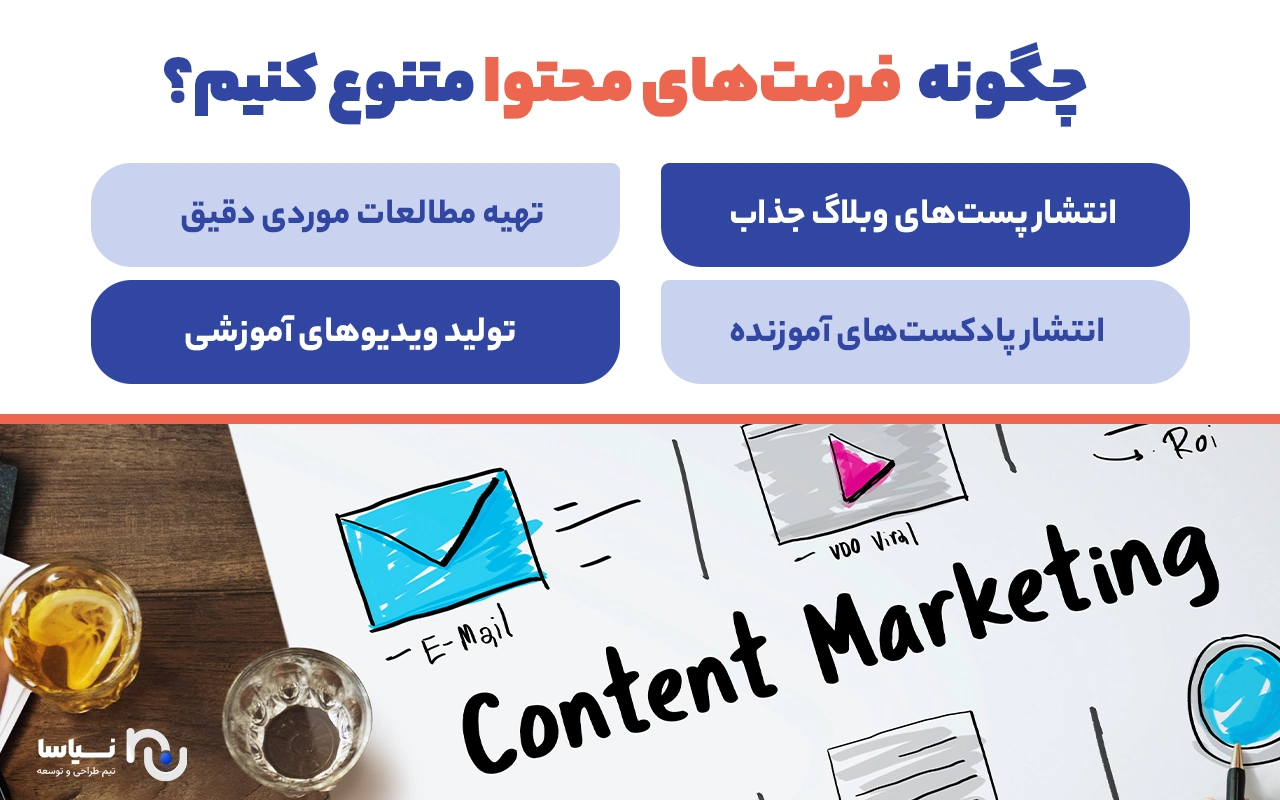
By offering varied content, a business can reach more people and interest them in its brand. This approach not only grows the audience, it also means the audience you already have always finds engaging content in the form they prefer.
Use your Google Business Profile
As we said earlier, a Google Business Profile (GBP) matters to small businesses in several ways, one of which was visibility. But GBP is more than simply a tool for being seen. It also works as an important channel for distributing content.
In practice, every piece of digital content a small business produces should also be shared as a post on GBP. Doing so brings several benefits and helps a business present its content to its target audience in the best possible way.
Use social networks
Social media is a powerful tool for small businesses to share their content and engage with their customers. Building a strong following, however, takes time and effort. For a small business that means identifying, following and supporting other small businesses who can help you be seen.
Working with influencers or with complementary small businesses can increase your reach and your credibility. Collaborations of this kind can introduce your business to new demographics and lead to more traffic and more online engagement. Social media is fundamentally built around creating a community, and on a small scale that simply amounts to widening the community you are speaking to.
Monitor and analyse performance
The final stage in any content marketing strategy is monitoring performance. This is what makes return on investment (ROI) visible. Small businesses should track key performance indicators (KPIs) such as website traffic, conversion rate, social media engagement and customer feedback. This data can give valuable insight into which content resonates with the target audience and which areas need improving.
Get help when you need it
One of the main challenges for small businesses turning to content or digital marketing is a shortage of the time, effort and knowledge needed to plan and carry out strategies of this kind. Fortunately, as these fields have grown, we have seen a striking increase in content marketing tools such as artificial intelligence, as well as in support from experienced digital agencies.
In other words, small businesses are not alone on this road. They should use the tools and the specialists available to make the most of these opportunities, while adding their own distinctive point of view wherever and whenever they can.
In summary
Content marketing is recognised as a powerful tool for small businesses in the digital world. Carried out correctly and with purpose, this strategy can move a business a considerable distance along the road to growth and success.
Producing content that is valuable, engaging and relevant to your audience's needs not only builds brand awareness and attracts customers, it also creates a lasting and effective relationship with them. Bearing the above in mind, and drawing on the tools and technologies available, small businesses can refine their content marketing and reach the results they want. Remember that patience and persistence on this road are the key to your success.
Sources: