Goals
Agreed with the client before anything was drawn.
- 01Completed projects are seen first, not described.
- 02A visit or consultation request is submitted from the project page itself.
- 03Adding a new project is work the firm does itself.
Design & development studio
The online shop window of a construction firm
The numbers that mattered to the client — not the ones that look good.
Agreed with the client before anything was drawn.
Everything that was handed over at the end.
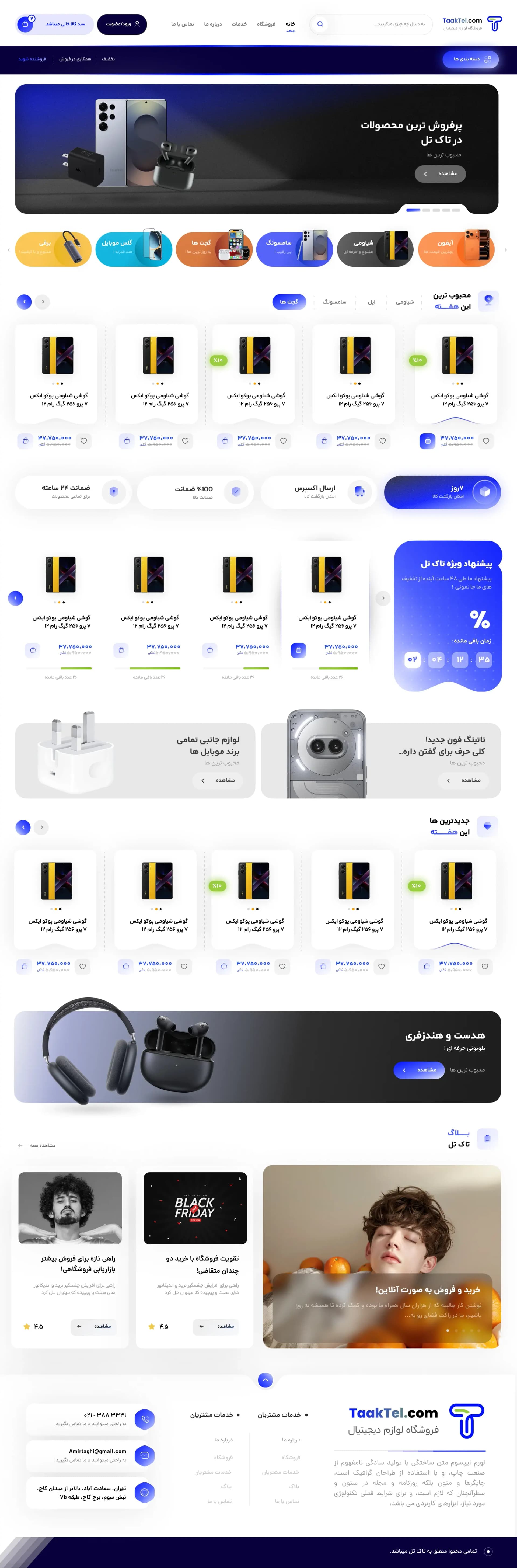
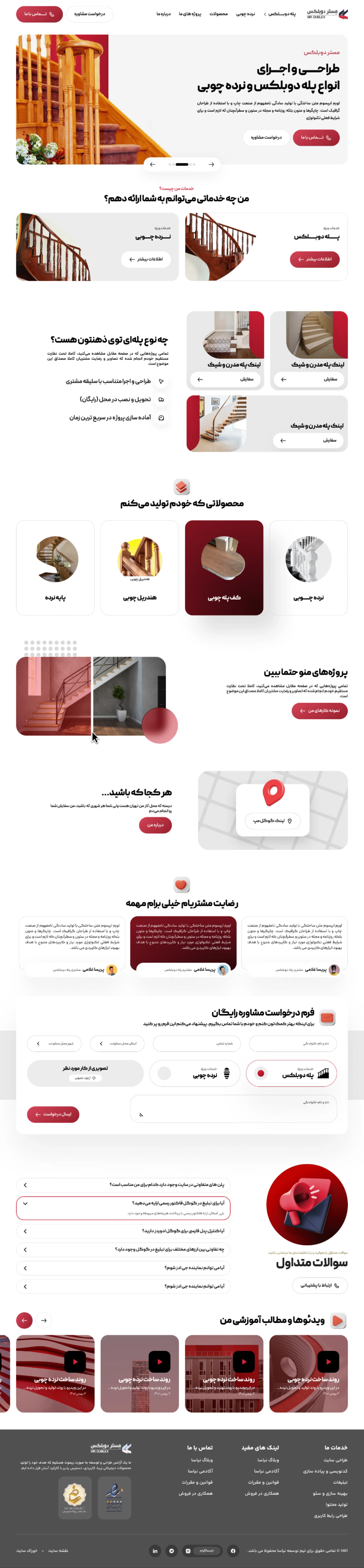
This firm's work is something to look at — completed projects — but the old site described it in prose. A visitor looking for finished work found nothing to see.
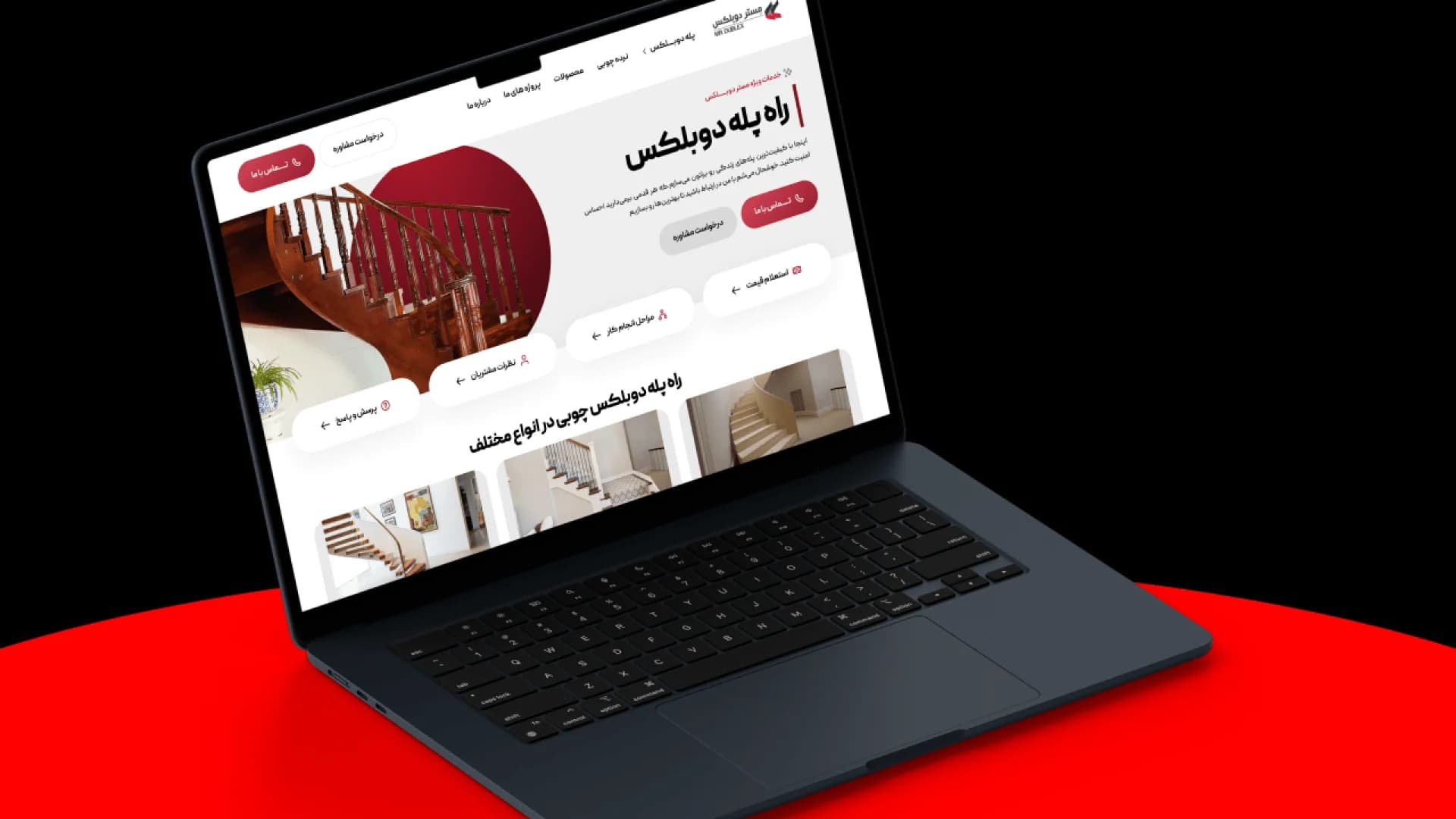
The site was rebuilt around a gallery of projects: each one with photographs, floor area, location and build time. The site-visit request form sits directly on those same pages.
Big pictures and little text. Each project's details go into a fixed table so they can be compared and so marketing copy never takes the photograph's place.
The things this product does now that it could not do before.
Every project on one page, with large photographs, floor area, location and build time.
A short form on the project page itself; the request reaches the team with the project's name attached.
Every project carries the same specification table, so they can be compared.
The gallery was tuned for the small screen; images come at the right size with no wait to load.
The route the work actually took, with the time each stage needed.
A review of completed projects and a decision on which details each project should show.
The home page, the gallery and the project page, built around the image.
Building the site, the visit form and loading the existing projects.
Training the team and a final review on mobile.
The tools this project stands on, and still runs on today.
The firm publishes new projects itself, and we stay alongside them as technical support.
A short call, free and without obligation: we listen to what you need, then tell you how long it takes and what it costs.